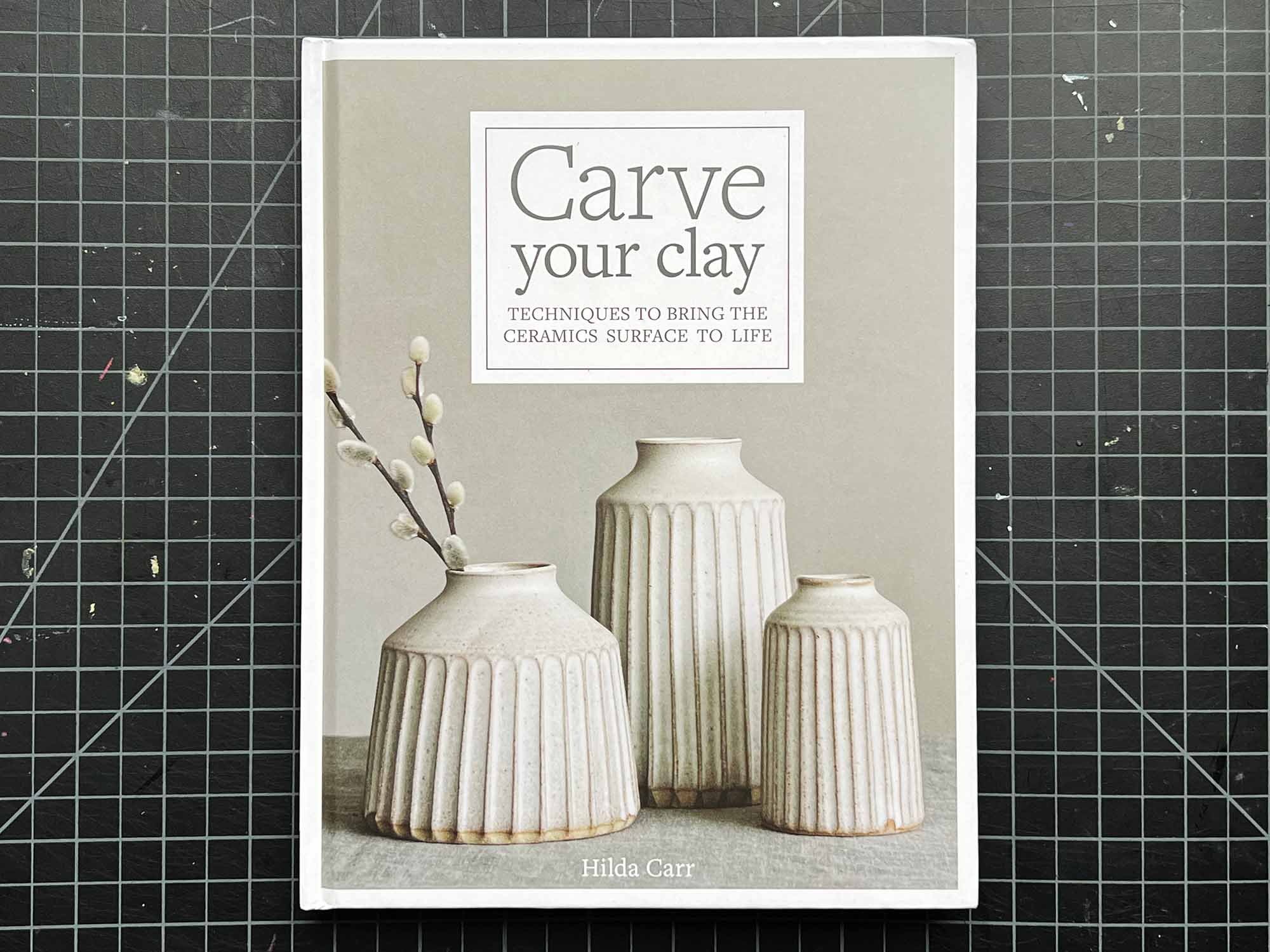
The 14 Best New Pottery and Ceramics Books of 2023

Lots of great new titles focusing on pottery and ceramics were published in 2023 and late 2022. Our top picks are below, including a mix of technique and art history books.

For more books, check out these posts from last year:

Best Pottery Technique Books 2022

Best Ceramic History Books and Monographs 2022


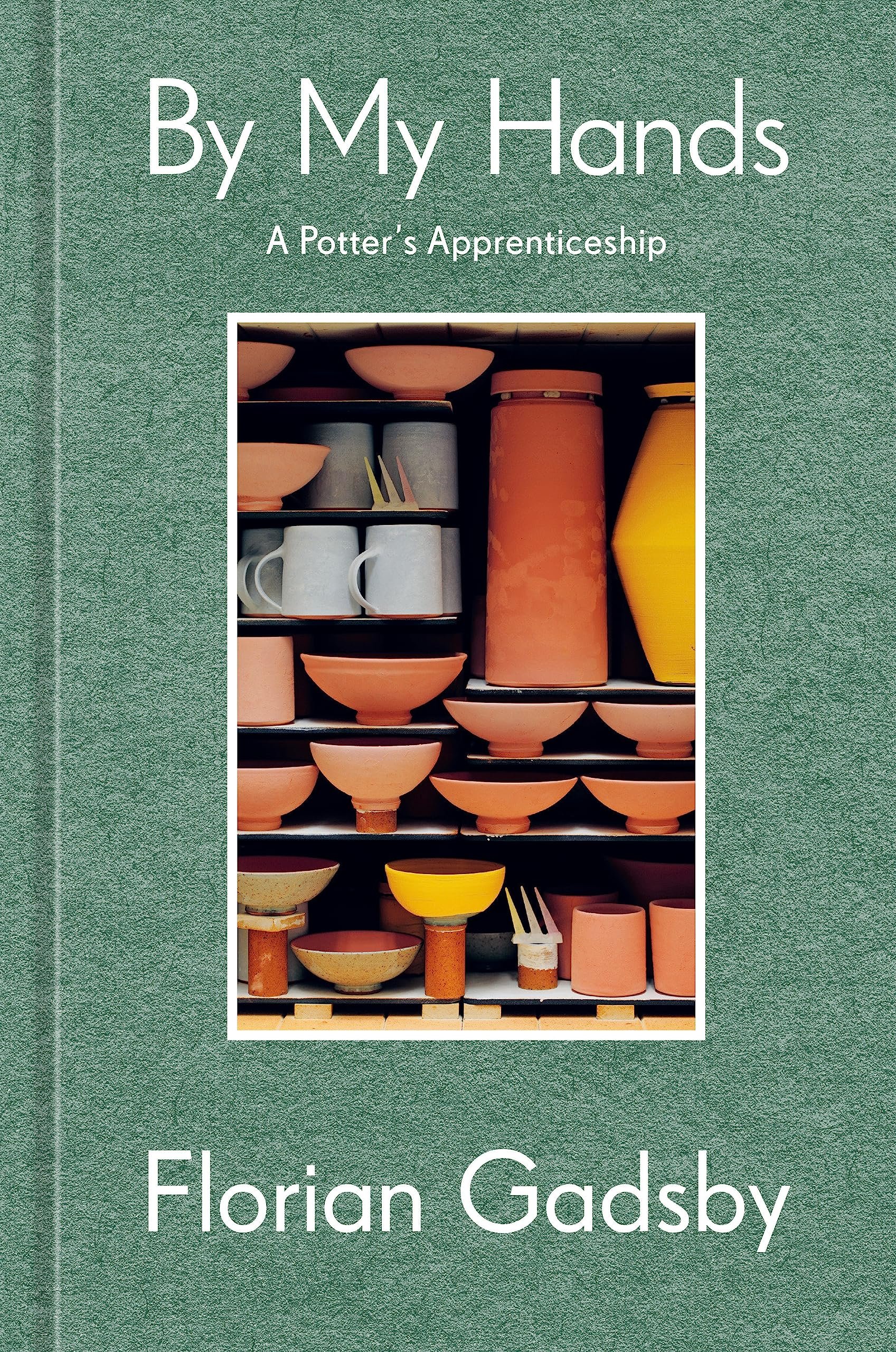
By My Hands: A Potter’s Apprenticeship by Florian Gadsby

Florian Gadsby has been documenting his ceramic journey since his student days via Instagram, YouTube and other social media sites. A dynamic, exacting potter and engaging instructor via his videos, in By My Hands Gadsby shares a behind-the-scenes look at his journey in his first book.

Hardcover, 400 pages, published Fall 2023 by Ten Speed Press, $35


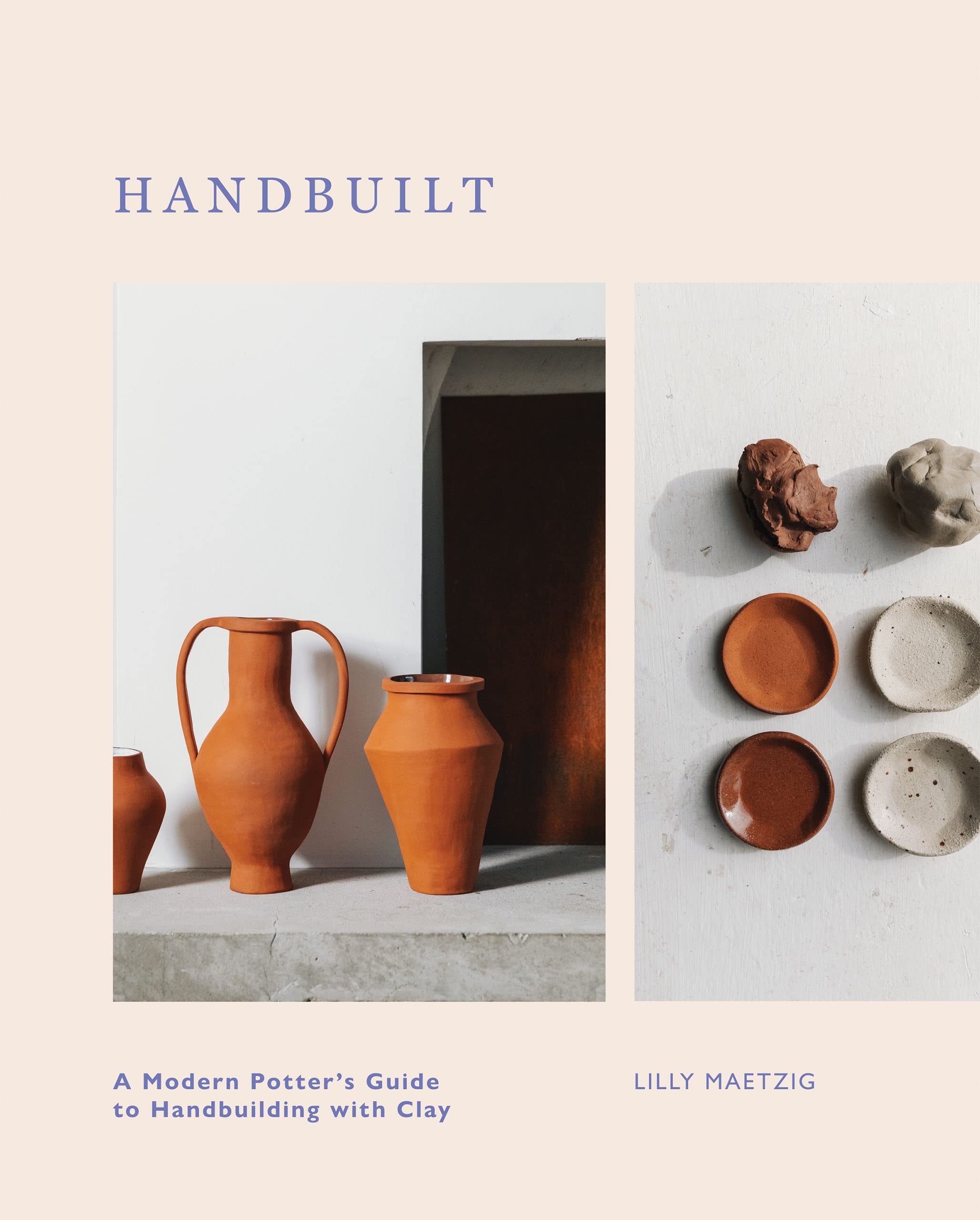
Handbuilt: A Modern Potter’s Guide by Lilly Maetzig

Lilly Maetzig is a potter who has built a strong following online for instructional videos (search for Mae Ceramics) and in her first book, introduces more than 20 projects that you can do without a wheel including a pedestal bowl, pinched teapot, and nest plates.

Hardcover, 176 pages, published spring 2023 by Quadrille Publishing, $24


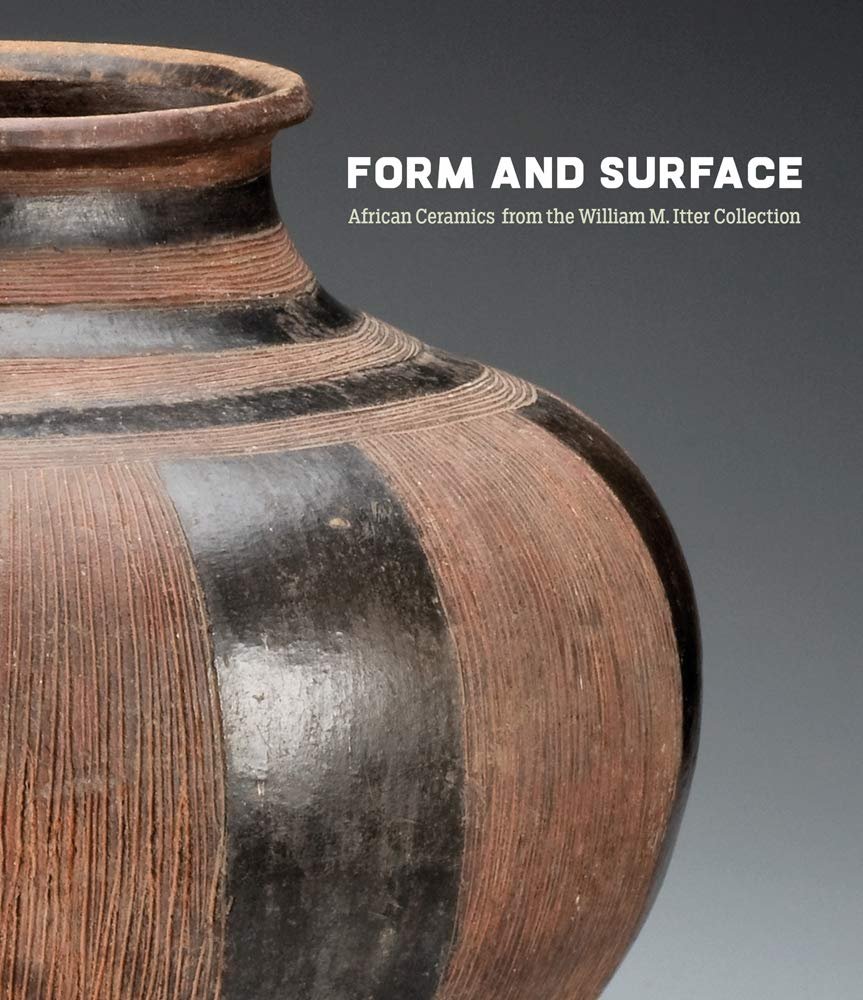
Form and Surface: African Ceramics from the William M. Itter Collection by Diane Pelrine

This book celebrates the African ceramics held in the collection of the Sidney and Lois Eskinazi Museum of Art at the University of Indiana.

Hardcover, 192 pages, published Fall 2023 by Scala Arts Publishers, $50


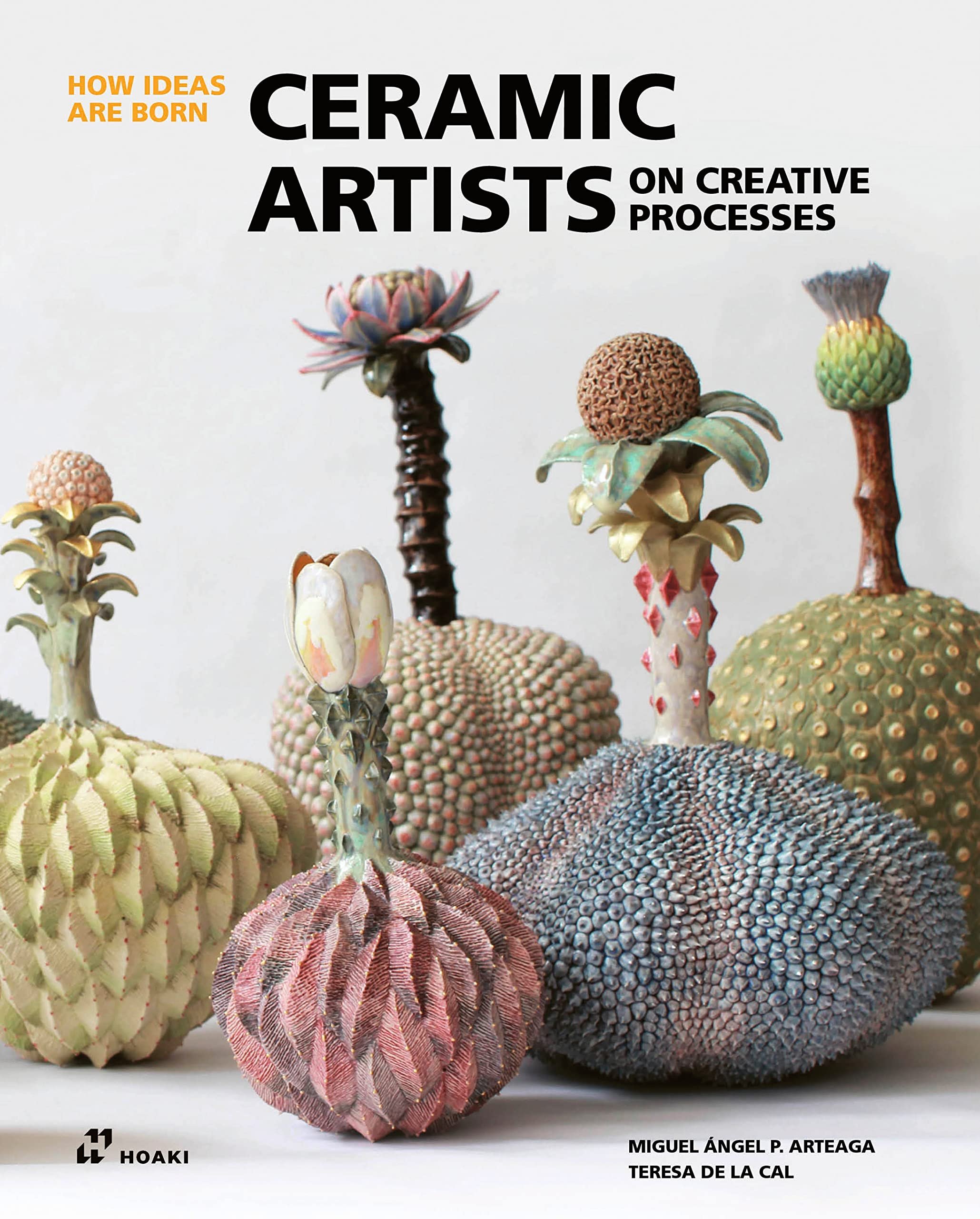
Ceramic Artist on Creative Processes by Miguel Ángel Pérez Arteaga

In this book, 25 ceramic artists from around the world describe their art making methodology and practice in their own words. Richly illustrated, it offers a deep insight into the minds of professional artists.

Hardcover, 304 pages, published Fall 2023 by Hoaki, $40


Lucie Rie: The Adventure of Pottery by Andrew Nairne

Published to coincide with a UK exhibition of Rie’s work, this catalogue includes five new essays examining Rie’s work and career and includes more than 150 images in full color.

Hardcover, 240 pages, published September 2023 by Kettle’s Yard, $45


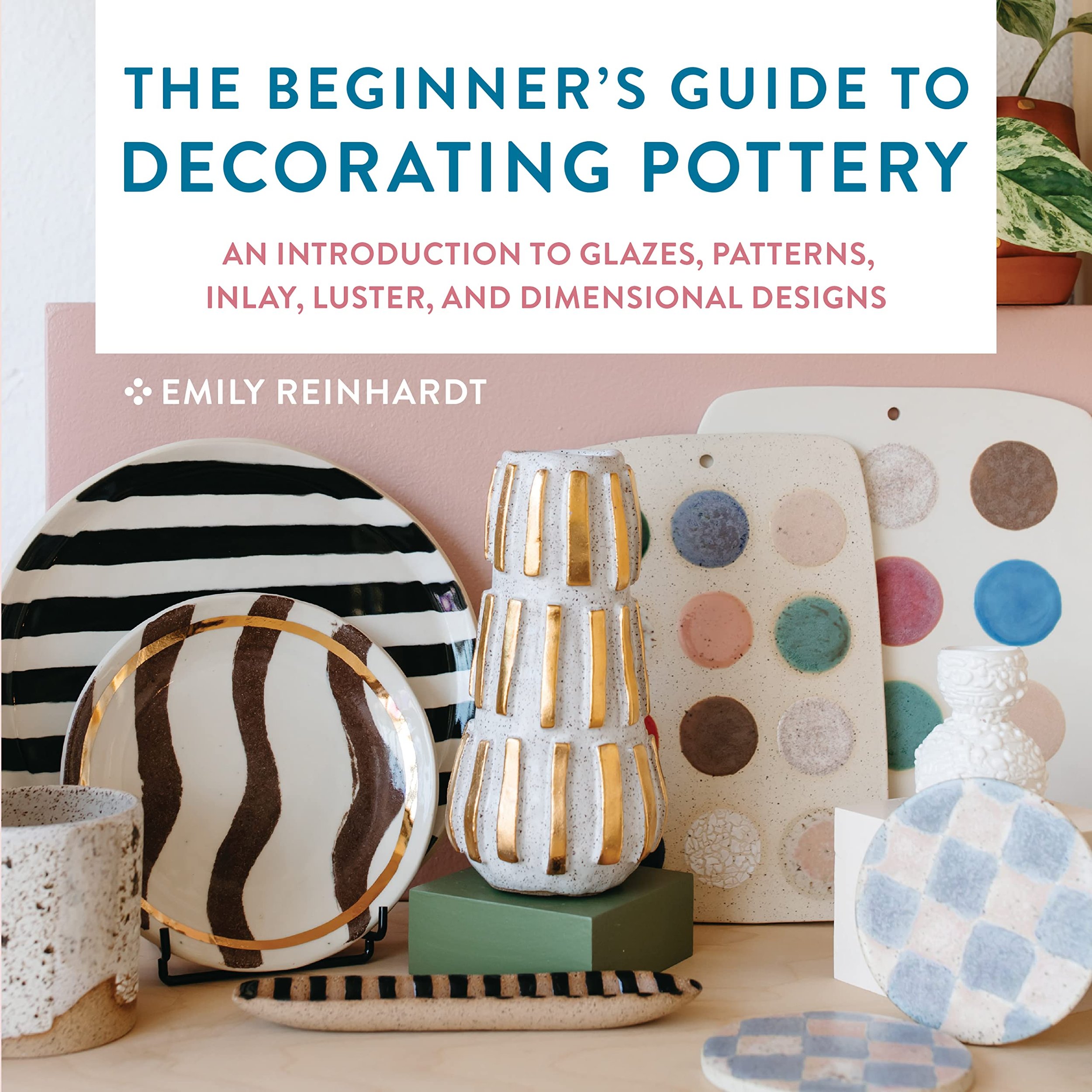
Beginner’s Guide to Decorating Pottery by Emily Reinhardt

A thorough guide for beginners, this book covers glazes, inlay and surface decoration, lusters, patterns and mark making, and more in an easy-to-follow format. Part of a series of beginner’s guides to ceramics.

Paperback, 160 pages, published September 2023 by The Quarry Books, $25


Kate Malone: A Life in Clay by Emma Crichton-Miller

One of the UK’s leading ceramic artists, this monograph examines the work and career of Kate Malone, born 1959. With essays, color photographs and more, this book will be sure to delight fans of Malone’s work and others, who may have seen Malone as a judge on the Great Pottery Throwdown.

Hardcover, 252 pages, published by Skira, December 2023, $60.


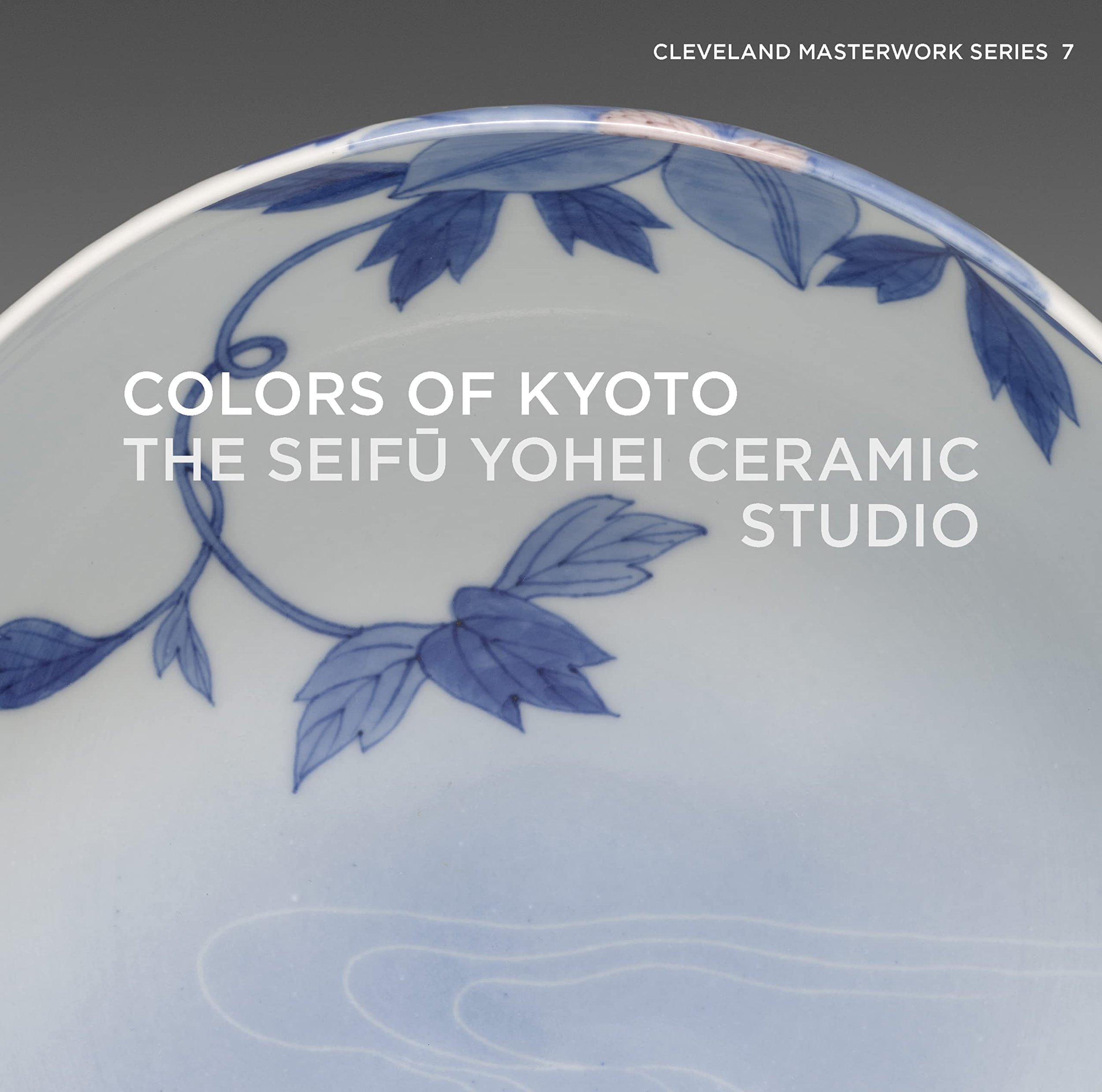
Colors of Kyoto: The Seifū Yohei Ceramic Studio by Shinya Maezaki

This book takes a deep and comprehensive look, for the first time in English, at the Kyoto studio of Seifū Yohei, who was the first ceramist to be named an Imperial Household Artist. The book includes essays and images of 100 artworks, as well as discussion of technique, forms, and glazes that were unique to the studio.

Paperback, 216 pages, published September 2023 by Giles, $30


Promise Me The Earth by Kristin Morgin

This monograph examines Los Angeles artist Kristin Morgin who makes unfired sculptures from a mixture of clay, glue, wood and other materials. Known for her wit, craftsmanship, and ability to twist pop art to her own ends, this book includes a lengthy interview with the artist as well as numerous illustrations. Each copy is signed by the artist and includes a small drawing.

Hardcover, 120 pages, published Marc Selwyn FIne Art, late 2022, $60.


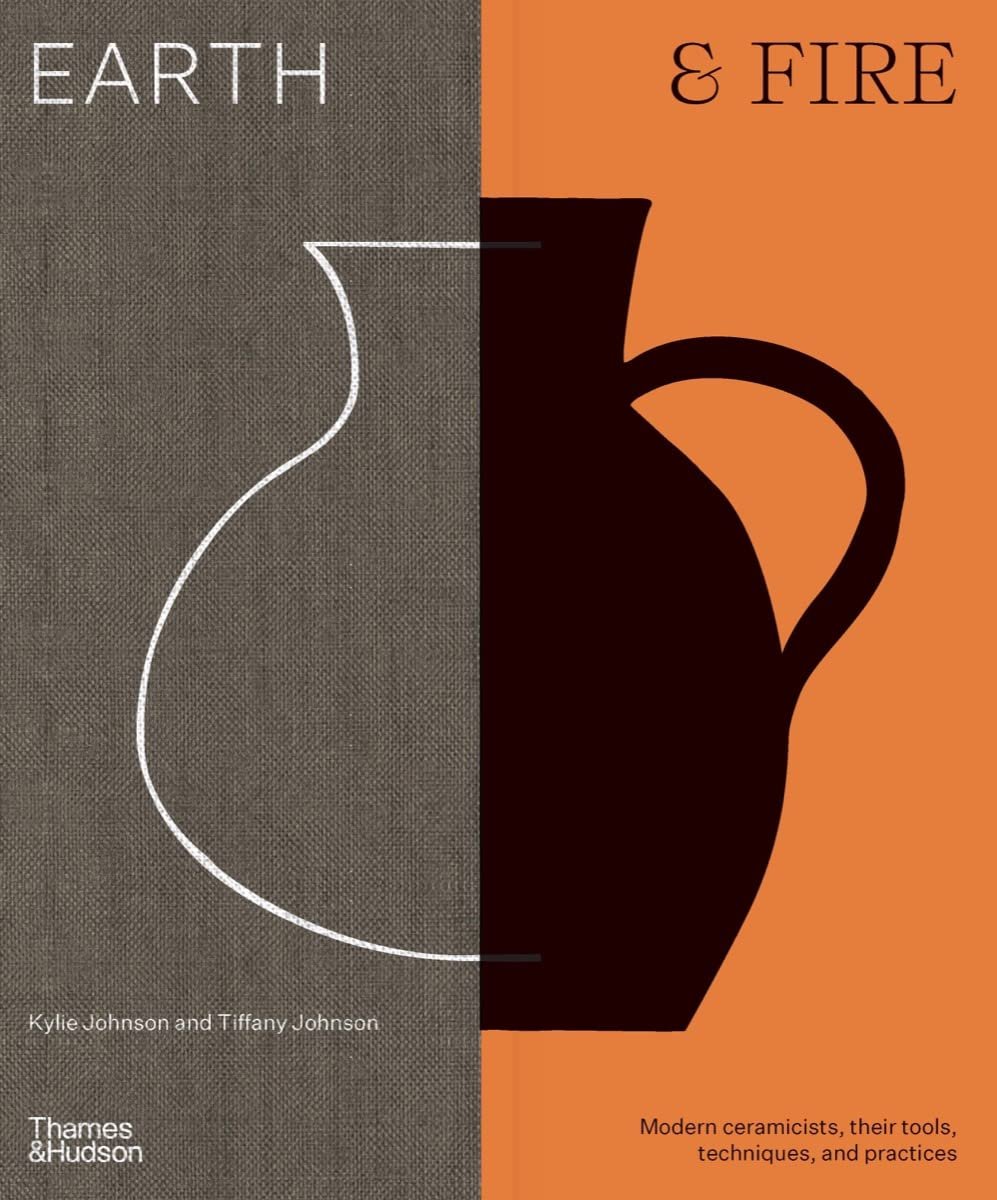
Earth & Fire: Modern Ceramicists, Their Tools, Techniques, and Practice by Kylie Johnson and Tiffany Johnson

Earth & Fire explores the techniques and practices of 45 ceramic artists, ranging from potters to sculptors to jewelers and more. The book includes more than 300 color photos and illustrations, illuminating a wide variety of ceramic techniques.

Hardcover, 272 pages, published by Thames and Hudson, September 2023, $50


Ash Glazes: Techniques and Glazing from Natural Sources by Phil Rogers and Hajeong Lee Rogers

Updated and edited by Hajeong Lee Rogers, this classic by Phil Rogers explores the history of ash glazes, how to test and mix the, and how to apply them to get the best results. With images of potters who use ash glazes from around the world, this new edition provides inspiration for ceramic artists interested in exploring and reinventing this age-old tradition.

Hardcover, 192 pages, published October 2023 by Herbert Press, $40


Nina Fránková: Hollow by Nina Fránková

The first monograph on the Czech artist, who was born in 1987, the book includes numerous images and five essays.

Paperback, 160 pages, published fall 2023 by Onomatopee Projects, $18


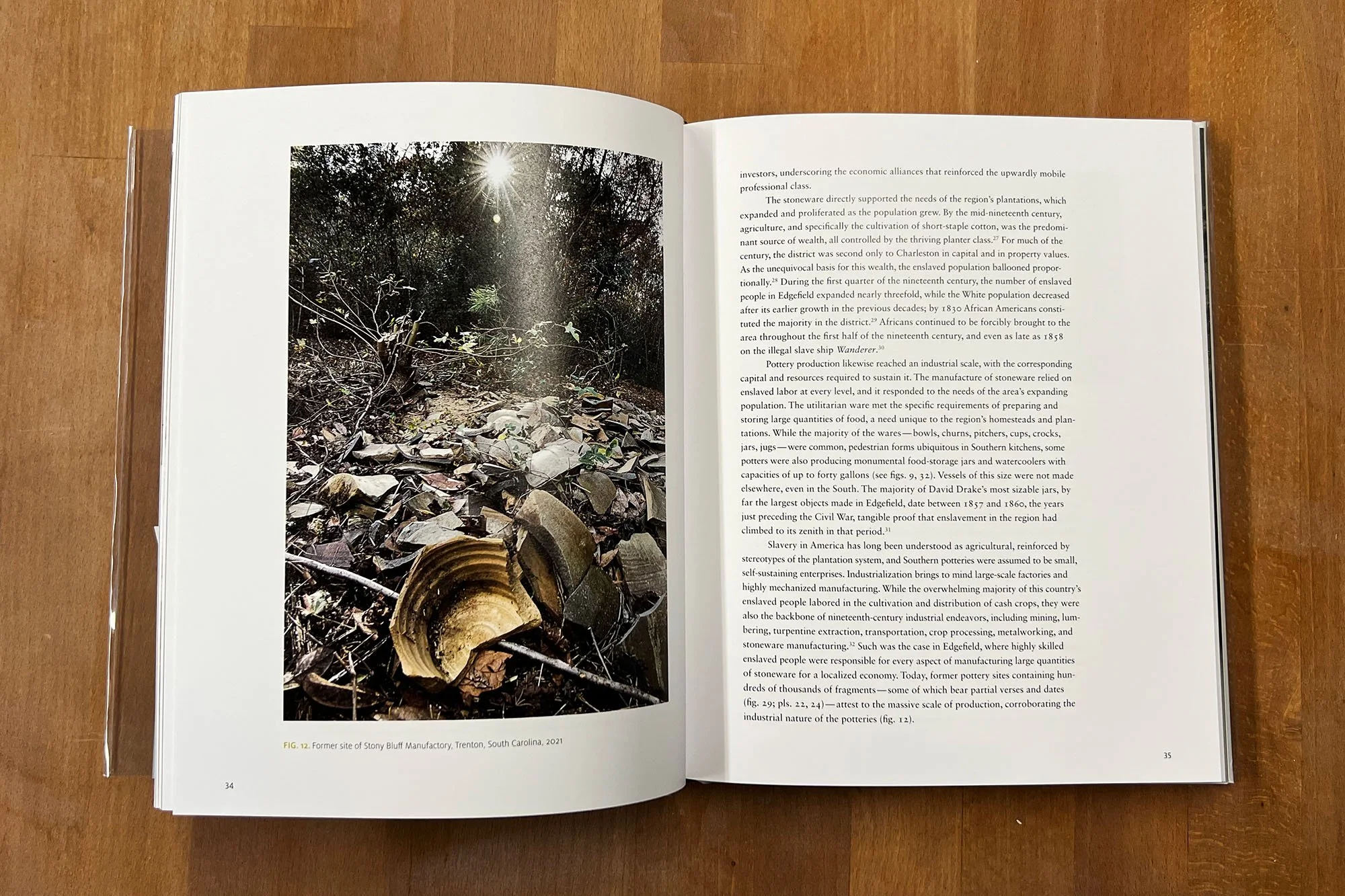
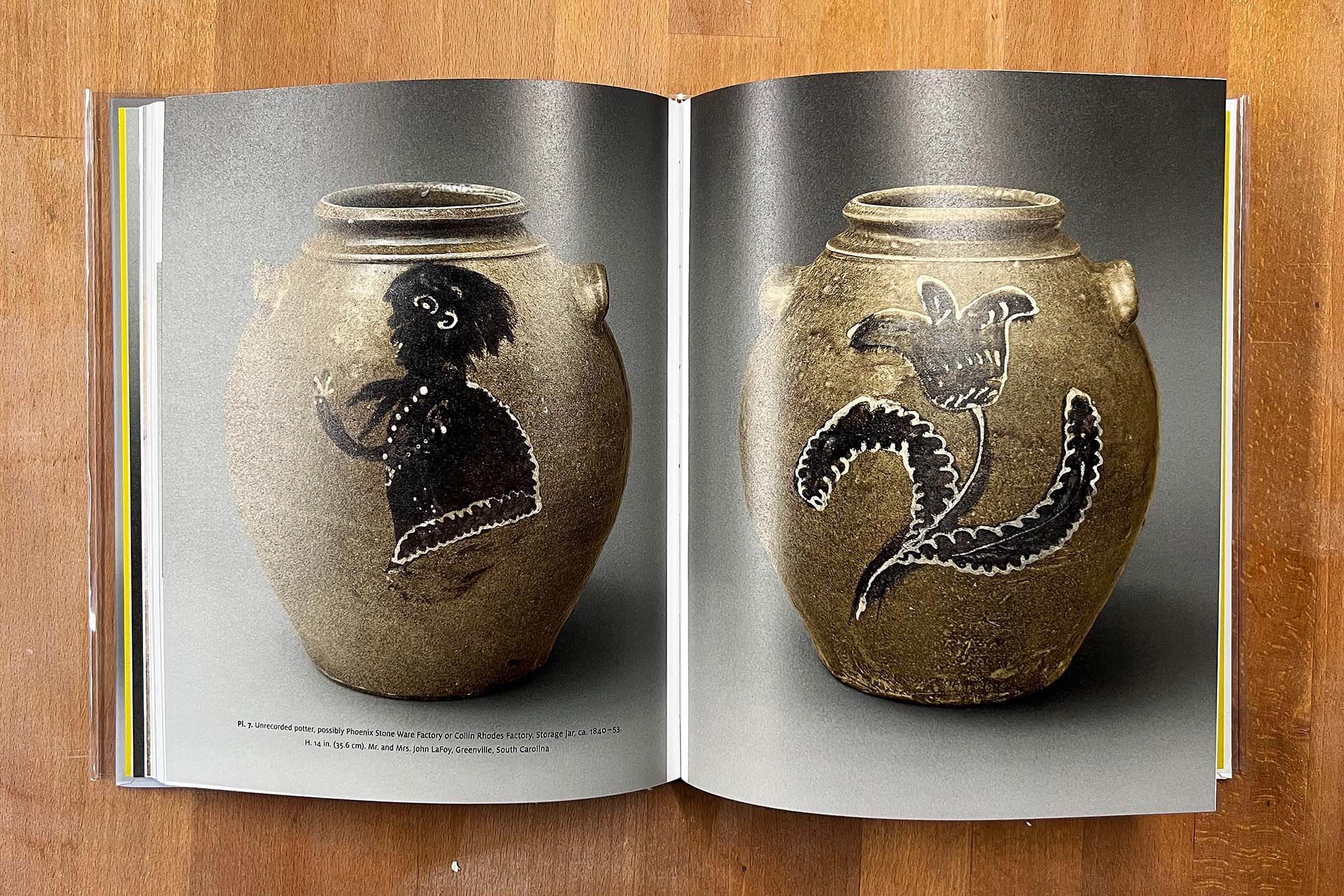
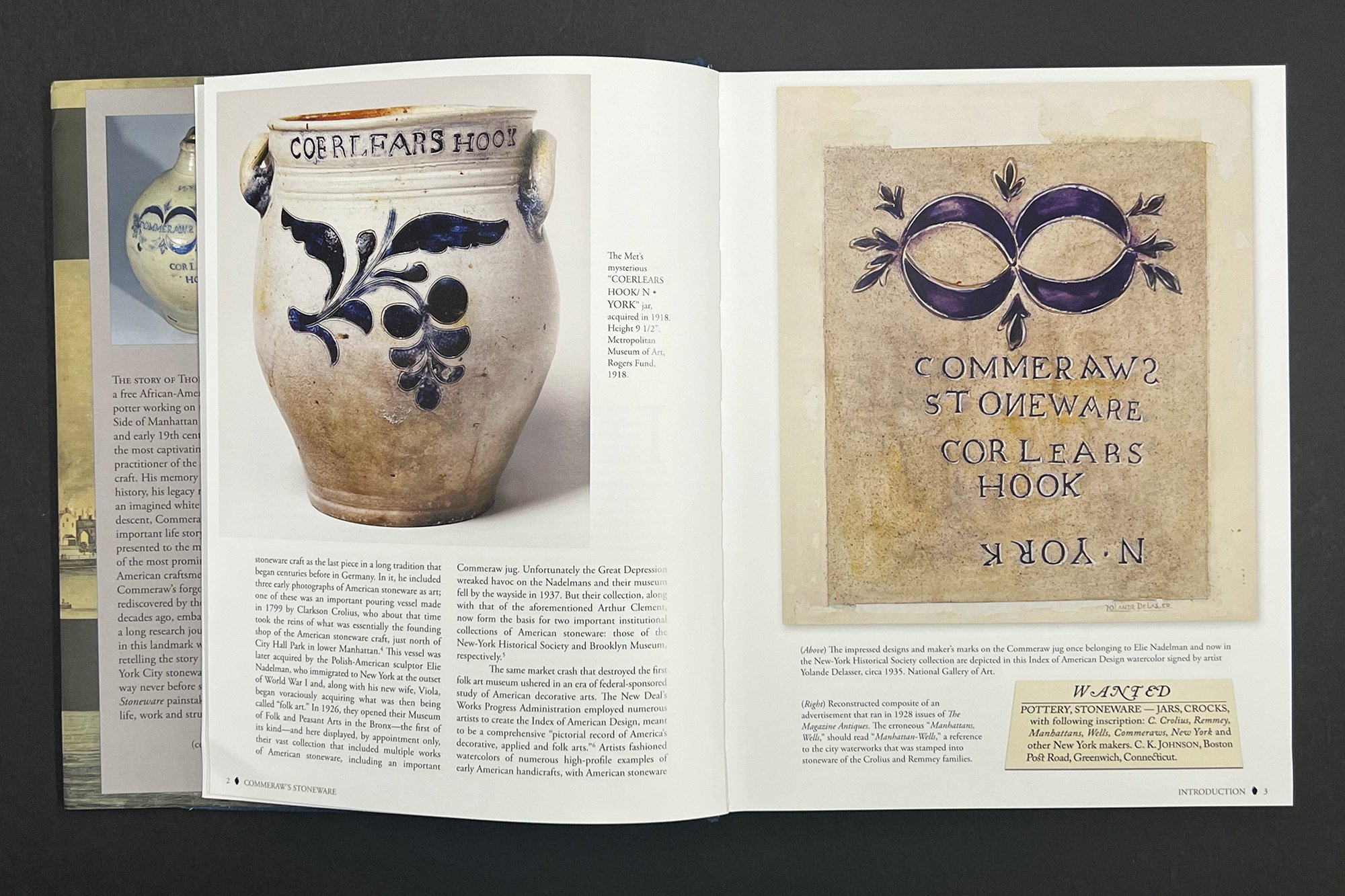
Ceramics in America 2023 edited by Robert Hunter

The latest edition of the yearly journal, the 2023 edition includes essays on backwoods North Carolina potter John Wesley Carpenter, contemporary artist David Mack, a snuff box made in London in the 18th century from American clay, and more. Richly illustrated throughout.

Hardcover, 240 pages, published Fall 2023 by the Chipstone Foundation, $65


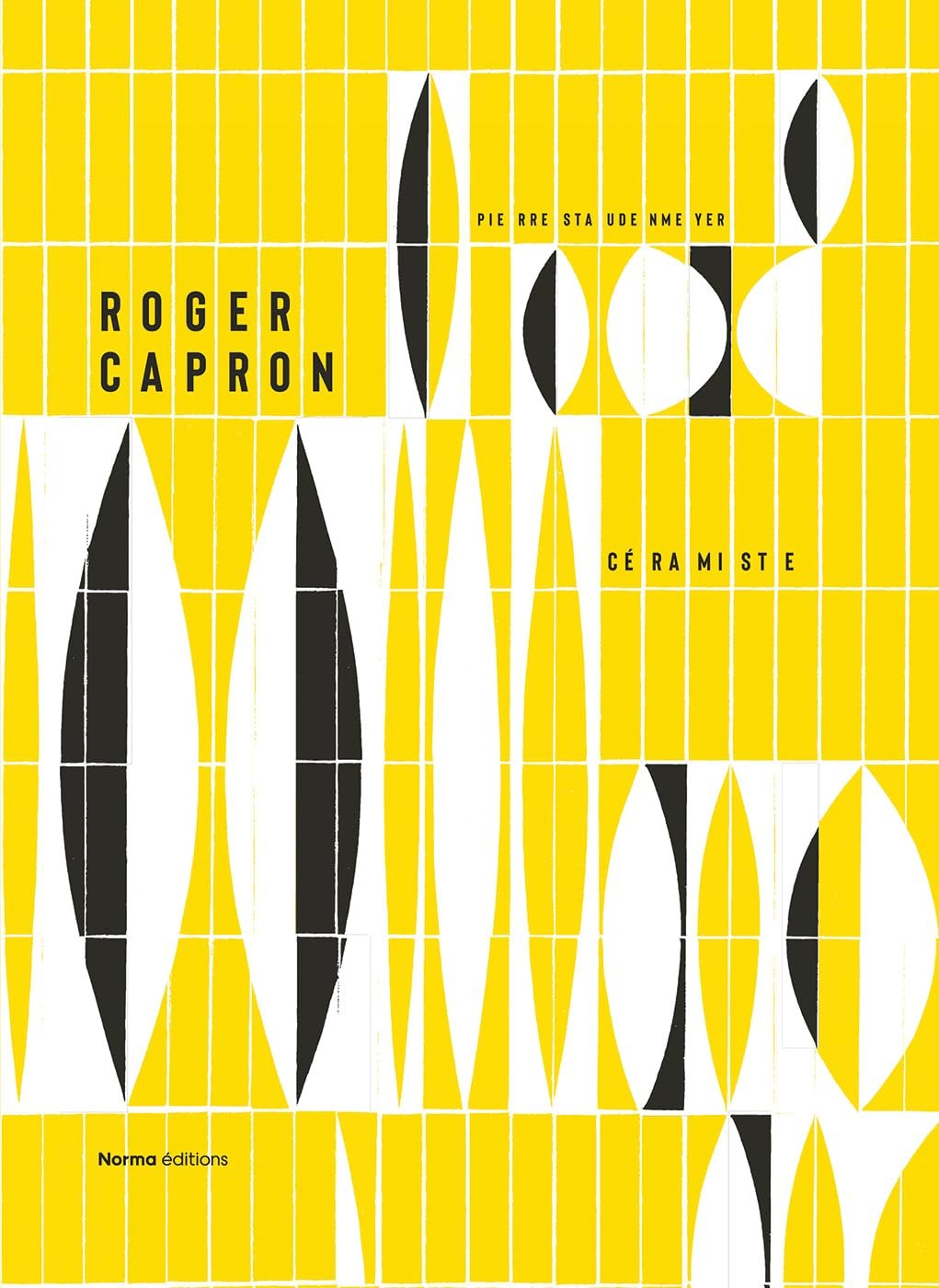
Roger Capron: Céramiste by Pierre Staudenmeyer

(Book is in French) A vastly expanded reprint of a 2003 monograph that examines the life and career of French ceramic sculptor and ceramic manufacturer Roger Capron, 1922–2006. This richly illustrated edition includes text by Pierre Staudenmeyer and an interview between Capron’s wife Jacotte Capron and Flavien Gaillard.

Hardcover, 208 pages, published October 2023 by Editions Norma, $60 (French language edition)


Are there any recently published ceramic books that we missed? Let us know in the comments.

For more books, check out these posts:

Best Pottery Technique Books 2022

Best Ceramic History Books and Monographs 2022

See all posts tagged “Ceramics Library


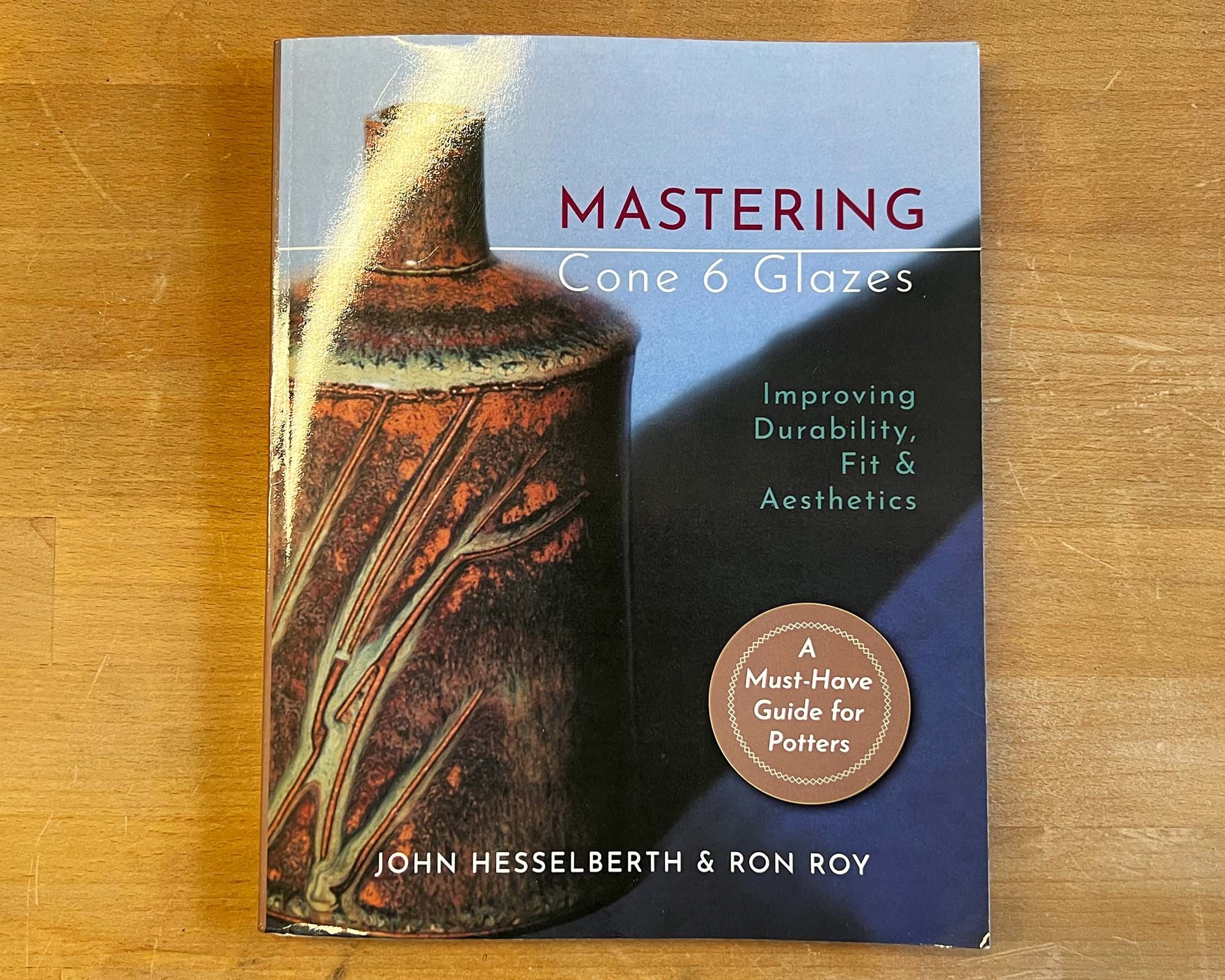
Mastering Cone 6 Glazes book review

Mastering Cone 6 Glazes, cover of 2020 reissue.

Mastering Cone 6 Glazes is a classic glaze book originally published in 2002 that is still relevant today, especially if you make functional pottery. With a subtitle of “Improving Durability, Fit and Aesthetics” the book by John Hesselbarth and Ron Roy contains a series of chapters explaining how to mix glazes, how to test them, and then gets into the nitty gritty of making stable glazes, fitting the glazes to your clay bodies, ideas for reducing cutlery marking, and how to develop your own glazes. The book was republished in 2020 and is available in paperback with non-glossy images throughout. (The images aren’t the greatest quality, but they get the job done.)

A lot of the information in this book is now available online in various places—including many of the glaze recipes—but if you’re like me, you may find a well organized book to be incredibly helpful in explaining the science and ideas behind making a stable glaze that is durable and hopefully doesn’t craze or result in cutlery marks. This book was a much needed update to the practical experience I’ve acquired along with the hazy memories of the clay and glaze class I took many, many years ago.

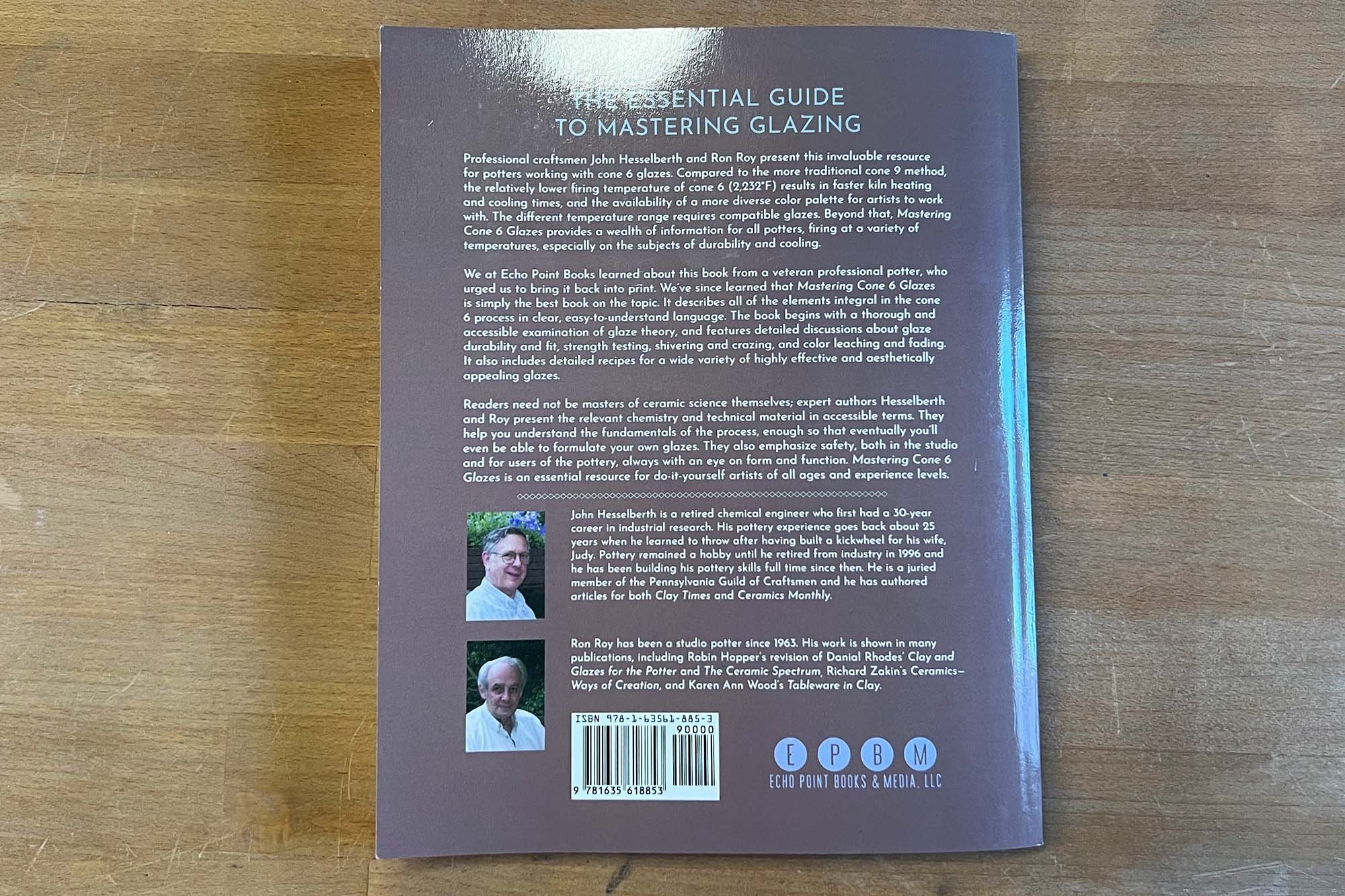
The back cover.

In addition to the science behind the glazes, the authors provide a series of glaze recipes, which they have tested extensively for fit, leaching, and cutlery marking. As they claim in the book, these might be the most thoroughly tested glaze recipes in recent history.

That’s not to say the book is perfect or right for everyone. A few points:

  1. The book is really aimed at production potters and those making glazes for functional surfaces like eating or tiles, who are firing at cone 6 in oxidation kiln atmospheres.

  2. You can find similar how-tos and glaze-science explainers in a variety of other glaze books or online, but this is one of the most thorough and understandable explanations on these topics I’ve encountered in print form.

  3. Materials have changed since the book was published. A good number of the recipes contain G-200 Feldspar, which is no longer available. Apparently the ebook version contains updated recipes, but if you buy the print edition, plan to spend some time looking at the reformulated recipes on the book’s website.

  4. To my knowledge, the printed book has not been updated since 2002. I believe that what you are getting with the 2020 reissue is exactly the same as the 2002 edition.

More details on the book and images will be posted below, but if you are a production potter, this is a book you should definitely read and contend with, to help understand if you are making glazes in a safe effective way. This greater understanding will help guide you as you choose glazes for your pots, wether or not you use the recipes from this particular book.

Mastering Cone 6 Glazes
by John Hesselbarth and Ron Roy
Reissued in 2020 by Echo Point Books & Media
168 pages. Typically available for around $30


Table of Contents page 1

Table of Contents page 2

More details on Mastering Cone 6 Glazes

Let’s go through chapter by chapter:

Introduction and Chapter 2 introduce the book, ideas of food safety, and how to set up and glaze ceramic work. This is probably info you’ve encountered in a class or studio, but it’s a good refresher.

A 2-page spread from Chapter 3, including images of the lemon test on glazes.

Chapter 3 covers testing glazes for stability and fit. While the authors ran their glazes through professional testing laboratories for leach testing, they also describe some tests you can do in your own studio such as a lemon slice on glaze. They also go into detail on more considerations including resistance to alkalis, thermal shock, knife and cutlery marking, and more. The authors are thorough on this topic.

Chapter 4 covers information on making a stable glaze, and how that is defined. In short, they are looking for a glaze that doesn’t leach, doesn’t mark, and doesn’t craze. Lots of ideas and recipe limitations are introduced.

A 2-page spread from Chapter 5

Chapter 5, which covers glaze fit, was definitely a chapter I had to read 2 or 3 times to fully understand. The authors introduce using a dilatometer to measure glaze expansion and contraction, but as that is an expensive tool for most, they’ve done an amazing thing by introducing 5 different glazes with different coefficients of expansion. (None of these glazes are recommended in chapter 6, they are simply glazes to test for crazing/dunting/glaze fit on clay bodies in your studio) Their idea is that you can use their dilatometer-tested glazes on your own clay bodies. By noting which recipe will result in crazing on your clay body or not, you will have a good idea what the coefficient of expansion is in each clay body you use. You can then use this info, along with glaze programs such as glazy.org or DigitalFire, to more easily identify glazes that will have a good glaze fit with your clay. It’s a pretty good tradeoff to buying your own dilatometer.

The recipes in chapter 5 all contain G-200, which is no longer available, so the authors have helpfully posted reformulated recipes here, but you’ll need their explanation in the book to fully understand what they are proposing with this series of tests. The authors also tested their glazes on Standard Ceramic clay bodies #365 and #306, but the idea is that you can test these glazes on the clay bodies you use, to determine the best fit.

Chapter 6 includes the authors glazes for cone 6 stoneware and porcelain. Out of respect for their intellectual property, I’m not going to post recipes here, but many are now available online on various sites. These glazes have all been tested in studio and leach tested in laboratories, so you can be assured the glazes are safe. Because of this rigorous testing, there are not a lot of recipes but it’s definitely enough to get started. Included are:

A 2-page spread from the glaze chapter, with images showing how the base glazes can be transformed using various oxide combinations.

  • 2 high-calcium semi-matte base glazes with 3 color variations each

  • 2 glossy base glazes with 5 color variations total

  • 1 glossy clear liner glaze

  • 1 zinc semi-matte base glaze with 6 variations

  • 1 chrome-tin pink glossy glaze

  • 2 brown glazes

  • 1 cone 6 “maiolica” white glaze

It’s not a lot of glazes, but the authors’ research and testing is much appreciated.

Chapter 7 includes info on developing your own glazes using all the information in the book. As one can see with many of the recipes included in this book, materials will change over time so it’s not a simple matter of just having a recipe. It’s about understanding the chemistry and science of the glaze, along with developing the aesthetic touches that you want in your ware.

The book then concludes with almost 60 pages of more info and appendixes.

All in all, this book felt like working through a workshop on cone 6 glazes with a detailed approach by two instructors who were super excited and committed to their material.

Conclusion and Other Glazes to Research

While Mastering Cone 6 Glazes is a great book, it should be mentioned that as of this writing, the info in the book is 20 years old. It’s not that the science has changed—all of that info holds up—it’s just that you may have other desired outcomes for your glazes along understanding all the science presented in this book. The matte glazes in MC6 are high calcium mattes, and there are other recipes with different materials. With that in mind, you might want to review other glaze recipes and approaches that have become quite popular since this book was written. Also, the MC6 authors focus on color variations using oxides, and you may wish to go with stains for your colorants. With any of the options, the takeaway from this book is that you need to master the science, and then apply it to your own clay and firing conditions.
DigitalFire has a bunch of recipes for a variety of glaze temperatures posted here. Of these, I’d look most closely at the cone 6 glazes G1214Z silky matte, G2934 Magnesium Matte Glaze, and G2926B Clear Glossy. These are public recipes, and two of these glazes are available for purchase from Plainsman Clay.

The other glaze that is so popular these days is the buttery Katz-Burke Matte, which can be found on glazy.org.

To conclude, I really value the Mastering Cone 6 book for really getting me to dig into Seger unity formula and understanding things like Coefficient of Expansion in clay and glaze. It was a technical read, but this book was the key that really unlocked a deeper understanding of how to approach cone 6 glazes to get the best glaze fit and reduce cutlery marking. Sure, you can find much of the same info in other books or online but for $30, I was happy to read along in this well presented book, which will become another vital resource in my studio.

Best Ceramic and Pottery Podcasts

There’s a wide variety of podcasts focused on clay, pottery, and ceramic art. Here’s a guide to the top ceramic podcasts. And following that, there’s a list of one-off podcast episodes that touch on ceramics and art.
These can all be found on your favorite way to listen to podcast (Apple, Spotify, etc) so when possible, the link goes to websites dedicated to the shows.


#1: Tales of a Red Clay Rambler

The OG of pottery podcasts, Tales of a Red Clay Rambler is 10 years old and now has more than 400 interviews with potters, curators, and gallerists with the goal of documenting the variety of approaches to pottery and clay. Hosted by Ben Carter, who also wrote Mastering the Potter’s Wheel, the podcast is informative and entertaining. And with such a massive catalog, you’ll be sure to find a starting point that interests you.

Learn more at talesofaredclayrambler.com.


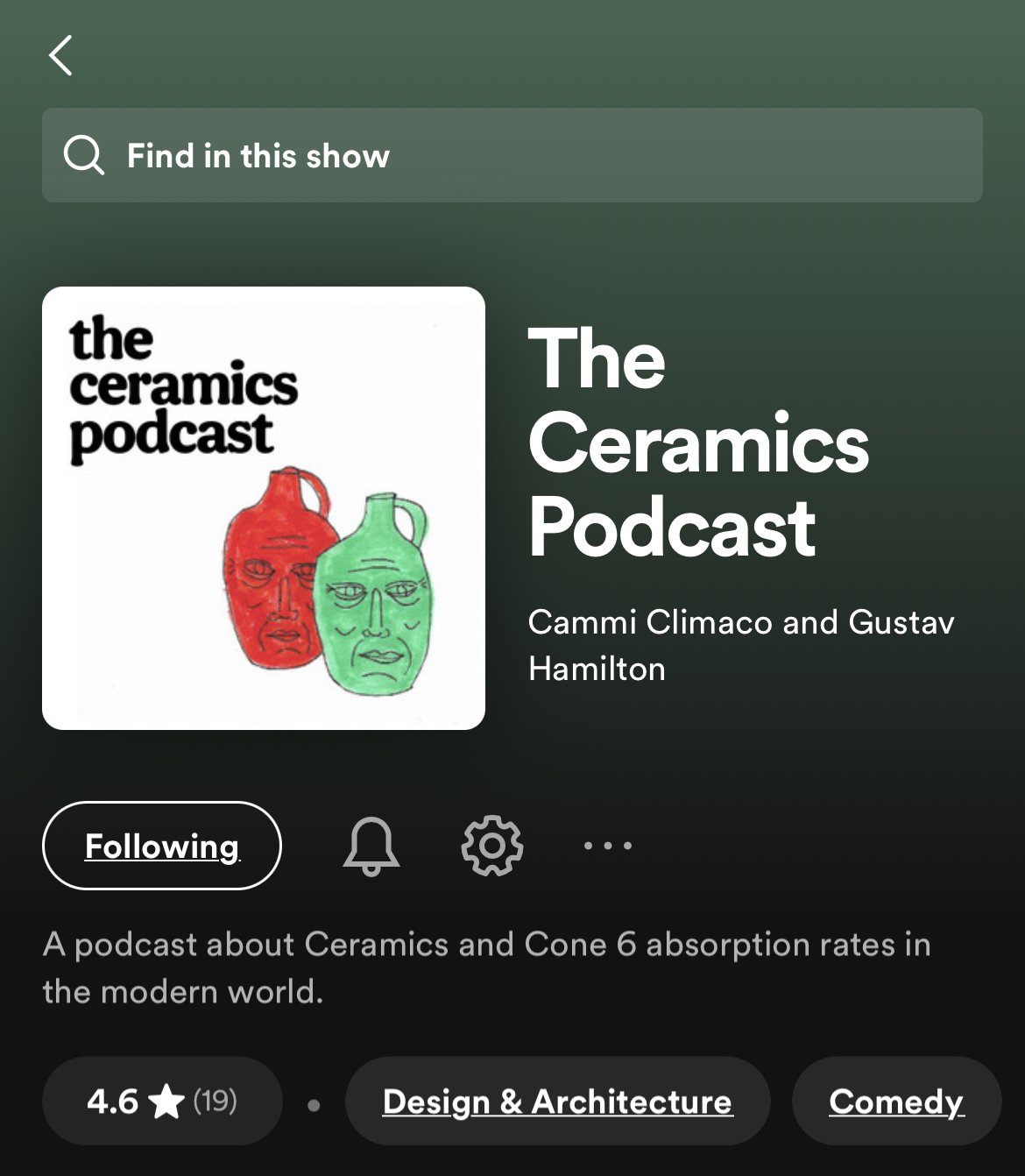
#2: The Ceramics Podcast

The Ceramics Podcast, hosted by artists Cammi Climaco and Gustav Hamilton (and sometimes with guest hosts) has long-form interviews with ceramic artists along with intros where the hosts discuss life in the studio and answer listeners questions. It’s free form, entertaining, and opinionated. The show archive contains more than 40 episodes, with new podcasts coming out every month or so.

Learn more at cammiclimaco.com/theceramicspodcast.


#3: Clay in Color

Hosted by curator Angelik Vizcarrondo Laboy and artist Alex Anderson, Clay in Color now has two seasons and more than 20 podcasts that are interviews with artists, with a focus on makers from underrepresented backgrounds. Launched in 2021, Clay in Color is part of the Brickyard Network, which includes 7 podcasts that were developed by Ben Carter (of Tales of a Red Clay Rambler) along with the Archie Bray Foundation.

Learn more at brickyardnetwork.org/clayincolor.


#4: For Flux Sake

Another podcast from The Brickyard Network, For Flux Sake focuses on glaze formulation, addressing issues with making and firing ceramics, studio safety, and more. Hosted by artist Kathy King and glaze experts Matt and Rose Katz, the episodes are fun, informative and focuses, often clocking in at around 30 minutes. With two seasons and more than 30 episodes, For Flux Sake has tons of info that will help you in the studio.

Learn more at thebrickyardnetwork.org/forfluxsake.


#5: The Potters Cast

With almost 900 episodes, The Potters Cast is a stalwart show with so, so much content to dig into. Hosted by potter Paul Blais, the show focuses on interviews with potters and sculptors who work with clay. Billed as “Picking up where the art degree ends,” the Potters Cast has a little bit of everything.

Learn more at thepotterscast.com.


#6: The Slip Cast

Hosted by Clare McGibbon and Aimee McLaughlin, the NYC-based Slip Cast has more than 30 interviews with potters and sculptors, and discussions of studio practices. The Slip Cast seems to have a particular focus on the hot Instagram potters such as Recreation Center, Lolly Lolly Ceramics, and Ceramicism.

Learn more at instagram.com/theslipcast.


#7: The Mud Peddlers: Ceramic Art Behind the Scenes

Hosted by Lindsay M. Dillon and Donte Earth Nation, this podcast focuses on the nitty-gritty of pottery production, along with interviews with potters. With more than 60 episodes and more being added each month, this is one to put on your podcast list.

Learn more at lindseymdillon.com


#8: Trade Secret

Trade Secret, another great podcast from the Brickyard Network, is hosted by Adam Charles Chau and features conversations between Chau and a mix of artists, critics, curators, and more people who make the art world run. With one season so far, each episode focuses on a different topic. Here’s hoping there will be more seasons to come!

Learn more at brickyardnetwork.org/tradesecret.


More podcasts to investigate:

The Shotcallers, another podcast from the Brickyard Network

The website CFile has stopped making updates, but an archive of their podcasts can be found here.

Wheel Talk with Ryan Durbin and Becca Otis.

The Kiln Sitters focuses on the Canadian ceramic scene.


One-off Podcasts on Ceramics

In addition to podcasts focused exclusively on pottery and ceramics, there are podcasts that occasionally touch on clay.

What Pottery Can Tell Us About Culture, from The Dave Chang Show, 2019. Dave Chang in conversation with potter Adam Field. A great episode about Adam’s experience apprenticing in Korea.

Cooking as an Art, Vol 2, from The Dave Chang Show, 2019. Dave Chang in conversation with New York Times critic Roberta Smith, including a discussion of Korean ceramics.

Hyperallergic partnered with The Gardiner Museum in Toronto, Canada for a series of 4 podcasts.
The podcasts:

Shary Boyle’s Exploration of the Fantastic and Political Lives of Clay, released July 23, 2019

The Largely Unknown History of Blackface in Canada, released August 7, 2019

Kent Monkman’s Mission to Decenter the Colonial Museum, released August 9, 2019

The History, Context, and Legacy of an Ancient Maya Plate, released September 3, 2019

Are there any podcast series or episodes that should be included in this list? Let us know in the comments.